







Discover Madagascar
From the unique landscapes of Madagascar to the vibrant cultures across Africa, explore inspiring destinations, local traditions, and unforgettable experiences.
Madagascar is a dream destination for wildlife lovers, beach seekers, and adventure travellers.
Start your journey here.
EXPLORE THE WILD BEAUTY OF MADAGASCAR
Your gateway to lush rainforests, rare wildlife & island adventures.
ABOUT MADAGASCAR
Situated off the southeast coast of Africa, Madagascar is the fourth largest island in the world.
Madagascar is a developing island nation off the east coast of Africa. The primary languages are French and Malagasy. French is less spoken outside of major cities.
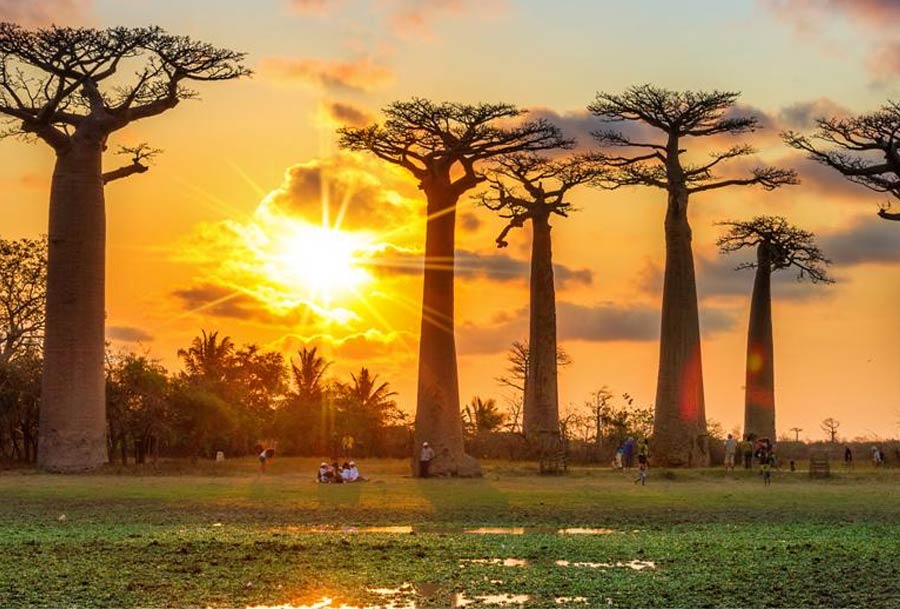
Tourism in Madagascar is centered on nature and adventure. Highlights include the Avenue of the Baobabs, the limestone formations of Tsingy de Bemaraha, rainforests filled with endemic wildlife, and beach destinations.
Why Go To Madagascar
Dreaming of a tropical getaway spent lounging on idyllic islands, trekking through verdant rainforests, hiking around jaw-dropping rock formations and spotting unique wildlife? Then set your sights on Madagascar. Located in the Indian Ocean, about 743 miles east of Mozambique, this African paradise is the fourth largest island in the world. Approximately 19,000 types of plants can be found in the country’s 47 national parks and reserves, but its one-of-a-kind animals are the main draw for nature lovers. All of the world’s 100-plus lemur species call this island nation home, as do more than 340 kinds of chameleons and a variety of birds.
What is Madagascar famous for?
The island of Madagascar is best known for its unique fauna and flora, but there is more to learn about it.
- A unique fauna and flora
The island is best known for its unique fauna and flora; it is populated by lemurs, fossas, Malagasy civets, chameleons, frogs, and weird aye-ayes. - Humpback whales
In its coastal waters, the island is a breeding and calving ground for humpback whales. - The elephant bird
Madagascar was home to the elephant bird, an extinct flightless creature; the Vorombe titan was the largest known bird in the world, with height up to 3m and weight up to 700kg. - Baobabs and traveler’s palms
Probably the most famous plants of Madagascar are the iconic baobabs (Adansonia grandidieri) and the traveler’s palm (Ravenala madagascariensis), a national landmark. The Allée des Baobabs, the dirt road lined with baobab trees, is probably the most photographed attraction in the country.
A Biodiversity Hotspot: Madagascar’s Endemic Wildlife and Ecosystems
Lemurs, Chameleons, and Baobabs: Exploring One-of-a-Kind Species
Madagascar’s wildlife is celebrated worldwide for its uniqueness, perhaps most famously exemplified by its charming lemurs. With over 100 species and subspecies, ranging from the tiny mouse lemur to the striking indri, these primates captivate researchers and visitors alike.
But lemurs are just the headline performers in an ecosystem bursting with remarkable life forms:
Chameleons: Home to more than half of the world’s chameleon species, including the diminutive Brookesia micra, one of the smallest reptiles.
Baobabs: Known as the “tree of life,” six native baobab species stand as iconic emblems of Madagascar’s spirit, thriving in dry regions.
Orchids: Over 1,000 species flourish here, many exclusive to the island’s unique microhabitats.
Each species tells a story of survival strategies shaped by millions of years of evolution.
Madagascar Travel Tips
Best Months to Visit
The best time to visit Madagascar is from April to October. This dry season brings fewer rain showers, meaning optimal conditions for observing animals, hiking and participating in water sports activities.Temperatures will also be more comfortable than they are during the wet season.
Madagascar is a place like no other—it’s the fourth-largest island in the world and has some of the most unique wildlife and landscapes you’ll come across. But planning a trip here takes a bit of preparation. If you’re wondering how to plan a trip to Madagascar and are starting to feel a little overwhelmed, you are in the right place.
How to plan a trip to Madagascar?
Planning your trip to Madagascar? It’s an unforgettable destination, but getting there takes some prep. With its unique ecosystems and wildlife, Madagascar is a dream,and with Wesabiwaka no worries.
Adventure activities
Madagascar’s landscapes make for an ideal spot for adventure lovers. From climbing limestone pinnacles to diving in pristine coral reefs, you’ll find experiences you won’t get anywhere else. The island’s isolation has preserved not only unique wildlife but also outdoor activities that are still untouched by mass tourism.
Whale watching (July–September)
From July to September, humpback whales make their way from Antarctica to the warm waters between Île Sainte-Marie and the mainland. It’s one of the better spots in Madagascar to see them up close. You’ll likely catch them breaching, slapping their tails, or swimming alongside their calves. Tours run daily during the season, and most people do end up seeing whales. Some trips also allow in-water observation, but it’s always done with care and distance.
Snorkeling and diving.
If you’re into the water, there’s a lot to see around. Visibility is usually pretty clear, and the reefs are home to sea turtles, reef sharks, and loads of colorful fish. Multi-day packages are common if you’re looking to explore further out.
Trekking opportunities
For hiking, Andringitra National Park is a good place to start. You can do a multi-day trek to Pic Boby—Madagascar’s second-highest peak—or spend a few days walking through the Tsaranoro Valley, where the granite cliffs are the main draw. If you prefer something shorter or more relaxed, Ranomafana has rainforest trails that only take a few hours.
River journeys
Drifting down the Tsiribihina River in a wooden pirogue is a slower-paced way to travel, but that’s part of the appeal. Over three days, you’ll float past gorges, open plains, and small villages that aren’t reachable by road. It’s basic—nights are spent camping on the riverbank—but you get to see another side of the country. There’s also a good chance of spotting lemurs after dark or birds along the way.
Cultural activities
Madagascar’s cultural landscape is just as important as the country’s natural surroundings. This island is home to 18 different ethnic groups, and it’s worth spending some time with local communities.
Participate in traditional craft workshops
If you’re in Ambalavao, it’s worth checking out a workshop where Antaimoro paper is made by hand. The technique has been passed down for generations, and watching the process gives you a quiet moment to slow down. It’s a short visit, but buying something directly from the makers helps support the craft.
Explore local markets
Markets like Marché Artisanal La Digue in Antananarivo are easy places to pick up handmade goods and meet the people who make them. Even a quick look around gives you a sense of what’s being made locally.
Attend cultural performances
Live music and dance are still part of everyday life in many places. If there’s a performance happening nearby, go check it out. Some are casual, even impromptu, but they’re a good way to get a feel for different parts of Malagasy culture. Keep an ear out for the valiha—a bamboo zither with a sound that really stands out.
Discover Madagascar
From lush rainforests to sun-drenched beaches and surreal stone formations, discover Madagascar’s most breathtaking travel gems.
WHY MADAGASCAR SHOULD BE ON YOUR TRAVEL LIST
Discover what makes Madagascar unlike anywhere else on Earth.

UNIQUE WILDLIFE
Encounter species found nowhere else on Earth—from the curious lemurs to colorful chameleons.

DIVERSE LANDSCAPES
From rainforest canopies to rocky plateaus and golden deserts—Madagascar is a world in one island.

UNTOUCHED ISLANDS
Find serenity on remote beaches, turquoise waters, and tranquil island hideaways.

RICH CULTURAL HERITAGE
Explore centuries of tradition, music, crafts, and the vibrant Malagasy way of life.

